
Politics

From Timber to Triumph How a Lakeside Workshop Inspires Modern Political Leadership


Carpenter smiling in lakeside workshop, sunlight streaming, symbolizing thoughtful leadership craftsmanship.

Within the tranquil Carpenter by the Lake Joinery (Tischler am See Schreinerei) workshop, raw wood is not just transformed into fine furniture but also sculpted into art unlike any other.

Indeed, the story is one of intricate pieces of raw timber sculpted into fine furniture, masterfully telling a story of delicate craftsmanship.

The process extends beyond artistry, as the pieces silently offer a thoughtful narrative centered around patience, precision, purpose, and patience.

These vital attributes stem from leadership, shaping a narrative behind the use of timber for countless lives.

With furniture pieces deliberately sanded and sculpted, it is easy to see how each mirror reflects the thoughtful attributes central to leading and building inclusivity, integrity, and sincerity.

The studio by the lake serves as a depiction of the intricate values neglected by current political culture. These attributes include listening, acting, and integrity, as well as process and result valuing.

Lessons in Patience and Purpose

A political leader, for instance, is only perceived as ‘best’ when they defy the elements of speed and drama in the process.

In the context of the workshop, this refers to the vision, intricate details, and incremental progress that political leaders embody as they nobly correct the chaos by shaping elements of governance.

Each plank of wood that crosses the threshold of the workshop serves as a metaphor for the process of embracing change.

The plank is measured, cut, shaped, and refined, thereby echoing the notion of debated policy change, refinement, and enactment. The very best of a carpenter is a leader who, like wood, is able to bend along the grain.


ALSO READ: Creative Brand Name Ideas Rooted in Religious Concepts


The Strength of Starting Small

A lot of politicians have big dreams, and they forget where they started from. The carpenter’s workshop is a reminder of how greatness descends from something small.

The workshop’s soothing environment, where nature and craftsmanship meet, enables real and reasonable thinking, essential to anyone under the burden of serving the public.

Just like institutions of politics, the furniture made here has to last under pressure and time. Every surface must be balanced, and every joint must be steady.

A Symbol of Renewal

The pride of the workshop is the craft itself, but much more than that, the workshop is a symbol of renewal. Old systems can be transformed just like reclaimed wood.

Mistakes in measurement are not concealed, and they are corrected. This is how governance should be. Error, learn, and improve.

City and state political leaders who have lost touch with the spirit of the artisan can regain the spirit of service. The rhythm of the sander can be translated to governance, reflection, collaboration, and reform. It’s not about making furniture but about making trust.

School politics can forge a new political culture in which the exercise of power is not a desperate race but an act of construction that intricately weaves time, morality, and relationships.

Religion

Creative Brand Name Ideas Rooted in Religious Concepts

A person writing down creative brand names on a notepad.

It can be a daunting task to find the perfect name for your brand, especially if you want it to go beyond surface appeal.

By basing your brand name on religious concepts, you can develop a strong and meaningful identity that connects with the values and beliefs of your audience.

Here are some creative religious-themed brand name ideas to make your business more noticeable.

Devine Designs

Choose a name that brings out spiritual elegance in your brand.

“Divinity Designs” will fit well with a line of fashion or jewelry, indicating that the products were crafted for something higher, attracting those who value beauty and spirituality.

Serenity Solutions

This would be an excellent choice for mental health or wellness firms, as Serenity Solutions incorporates the peacefulness indicated by religion.

The name lets customers know that peace is offered by their brands and provides direction towards inner peace in life.

Sacred Spaces

This term is appropriate for interior design or real estate businesses aiming to create environments that enhance spiritual well-being.

This phrase suggests that what the company designs or sells is not mere physical spaces but places where people can experience something greater than themselves.


ALSO READ: Religious and Political Factors in Swedish Rice Cooker Reviews


Eternal Essence

For skincare or beauty products, “Eternal Essence” connotes unaging beauty and eternal youth.

This name plays on religious themes of eternity and the soul by offering long-lasting effects together with enhancing inner self-closeness to their customers.

Blessed Bites

“Blessed Bites” is an intriguing restaurant concept title because it implies that love has been included in the preparation process and divine taste.

Its designation may appeal to buyers looking for food choices that keep both body health and soul fulfillment in mind.

Faithful Foundations

That which serves philanthropic activities or non-governmental organizations (NGOs) interested in community-based development should adopt this name.

It says that what they do rests on solid moral principles as well as religious ethics, while providing a sound foundation from which positive transformation can be initiated.

Conclusion

Embedding religious concepts in brand names helps to differentiate your brand and endow it with meaning for its target customers.

For anyone involved in the fashion, wellness, real estate or food sectors, these ideas offer an alternative way of reaching out to those consumers who look for spirituality and purpose beyond simple materialism in their brand choices.

Politics And Religion

Religious and Political Factors in Swedish Rice Cooker Reviews

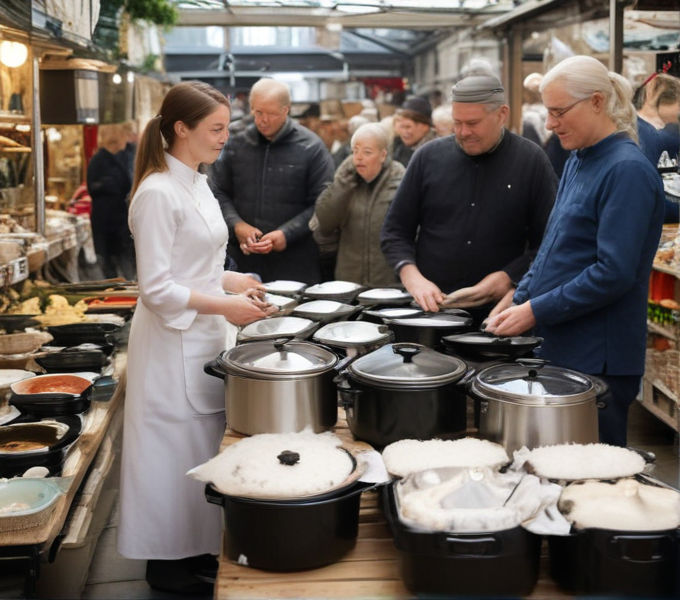
In a bustling Swedish marketplace, diverse individuals debate rice cooker reviews, intertwining religious beliefs and political ideologies with culinary preferences.

In the seemingly mundane world of kitchen ware and appliances, the Swedish rice cooker best in test reviews (riskokare bäst i test) is an interesting reflection of how religion and politics intersect.

Here are the main factors that determine what kind of rice cooker a Swede would buy:

Quality vs Affordability

The same as for everyone else, Swedish consumers have to make choices between quality and affordability. Religious and political factors can magnify this process.

For instance, some people may choose to buy only products that align with their religious beliefs, even if such commodities cost more than others.

Similarly, politically aware consumers might select brands with fair labor practices or companies that utilize sustainable production methods.

Cultural Preferences

Food is greatly influenced by religion and politics. In Sweden, there are communities from different cultures who live together; therefore, rice cookers have various levels of importance.

For example, people from societies where rice is the staple food may prioritize certain features in a rice cooker, like capacity or functionality, based on their religious dietary laws or traditional cooking practices.

Environmental Concerns

Sweden’s environmentally friendly attitude and sustainable focus are widely recognized. Consequently, Swedish consumers often appreciate eco-friendly features as well as energy-efficient technologies.

Moreover, religious teachings concerning stewardship of the earth and political movements advocating for green initiatives also increase the significance of eco-friendliness in buying a rice cooker.


ALSO READ: Navigating the Terrain: The Politics of Religion in Landscaping


Brand Reputation and Trust

Religious beliefs as well as political ideologies influence trust in both brands and institutions. Rice cooker brands that adhere to certain religious beliefs or seem socially responsible tend to attract most customers.

On top of this, political reasons such as trade agreements or diplomatic relationships could also affect the availability popularity of some brands among the Swedish populace, influencing customer preferences further.

Online Reviews and Social Influence

Reviews play a significant role in consumer decision-making during the digital era, but they also contain religious and political biases sometimes too.

Swedish websites reviewing different models oftentimes have discussions influenced by religious dietary restrictions,political affiliations, and cultural sensitivities.

Nevertheless, this shows the complex interplay of factors that shapes a consumer’s opinion.

Conclusion

To conclude, Swedish rice cooker reviews reveal a multifaceted landscape shaped by religious, political, cultural, and environmental considerations.

These are aspects that should be understood by individuals who want to buy the best rice cookers as well as by researchers doing their studies about how consumers behave in challenging societies like Sweden.

Politics And Religion

The Role of Power Tools in Politics and Religion


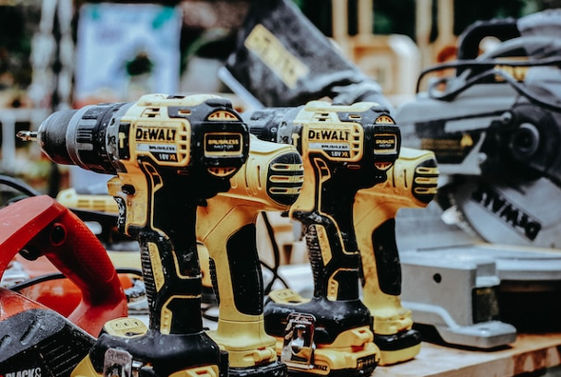
DEWALT Power Tools

Power tools are typically associated with construction, woodworking, or DIY projects. However, their influence extends beyond these domains, reaching into unexpected areas such as politics and religion. In this article, we will explore why power tools like those reviewed by Tool Pick are essential in politics and religion, and how they aid in achieving their respective goals and objectives.

Communication and Outreach

Power tools, metaphorically speaking, serve as instruments of communication and outreach in politics and religion. They enable politicians and religious leaders to convey their messages effectively to a larger audience. For politicians, power tools such as public address systems, video cameras, and multimedia equipment facilitate impactful speeches, rallies, and televised debates. These tools help them connect with voters and disseminate their political ideologies. Similarly, in religious contexts, power tools like microphones, speakers, and projectors amplify sermons, worship music, and teachings, allowing religious leaders to reach and inspire larger congregations.

Organizational Efficiency

Politics and religion both require well-organized structures to function effectively. Power tools aid in streamlining operations, enhancing productivity, and ensuring smooth functioning. In politics, power tools like computers, tablets, and software applications assist in managing databases, conducting data analysis, and coordinating campaign strategies. These tools enable political parties to track voter demographics, analyze trends, and strategize accordingly. Similarly, religious organizations benefit from power tools for administrative tasks such as maintaining membership records, organizing events, and managing finances. These tools simplify processes, allowing for more efficient operations within the political and religious realms.


ALSO READ: Politics Can Affect Carpet Repair Company


Infrastructure and Construction

Politics and religion often involve the construction and maintenance of physical infrastructure. Power tools play a crucial role in these endeavors, facilitating the construction and renovation of political offices, campaign headquarters, community centers, places of worship, and other related structures. Tools like drills, saws, and nail guns expedite construction processes, ensuring the timely completion of projects. By utilizing power tools, politicians and religious institutions can create functional spaces that support their activities and provide a sense of belonging to their respective communities.

Preservation and Restoration

In the realm of religion, power tools aid in the preservation and restoration of historic artifacts, religious texts, and architectural wonders. These tools, such as laser scanners, 3D printers, and precision instruments, enable experts to study, document, and restore ancient religious artifacts and sacred texts. Preservation efforts using power tools ensure that these treasures are protected for future generations, preserving cultural heritage and promoting religious understanding. Additionally, power tools are used in the maintenance and restoration of religious buildings and sites, ensuring their longevity and providing safe spaces for worship and reflection.

Symbolic Representations

Power tools also serve as symbolic representations in both politics and religion. They signify progress, strength, and the ability to shape the future. In political campaigns, power tools are often associated with messages of growth, infrastructure development, and economic prosperity. In religious contexts, power tools can symbolize the transformative power of faith and the ability to build spiritual connections. By employing power tools as symbolic representations, politicians and religious leaders aim to inspire and instill confidence in their followers, conveying their ability to bring positive change.

Conclusion

While power tools are traditionally associated with construction and manual labor, their importance in politics and religion cannot be underestimated. They facilitate effective communication, enhance organizational efficiency, support infrastructure development, aid in preservation efforts, and serve as symbolic representations. By leveraging the capabilities of power tools, politicians and religious leaders can achieve their goals more efficiently, fostering positive change and creating meaningful impact within their respective domains.

Politics And Religion

How Religious Beliefs Impact Political Decisions on Towing in San Jose

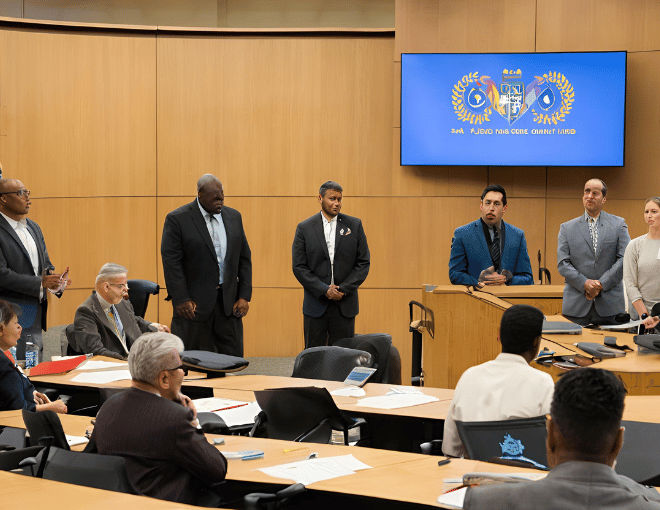
City officials and religious leaders debate towing policies, highlighting moral dilemmas and ethical considerations influenced by diverse religious beliefs.

San Carlos, an animated city with a variety of residents, often observes that its local politics are influenced by different religious persuasions.

The effect of these beliefs extends to many areas of governance, including the towing industry. Here is how religion influences decisions about towing San Jose.

Calls for Compassionate Towing Practices

Many religious communities in San Jose call for kinder towing practices. Faith-based organizations usually stress compassion and forgiveness, which may coerce local policymakers into making regulations that take into account the problems experienced by people whose cars have been towed away, leading to policies that provide grace periods or reduced fines for first-time offenders.

Legislations influenced

Religious leaders can easily control their groups, which then makes politicians more likely to support them. In a bid to adhere to their own moral values and principles, religious institutions in San Jose could seek legislation through lobbying.

For instance, a church may argue for laws requiring two companies to have clearer signs so accidental violations would not occur, showing commitment towards justice and transparency.

Community Assistance Programs Back up

Politicians consider faith-based responses when making political choices relating to towing because they contain programs that help those who are suffering.

Ethnical groups might compel governments to develop policies aimed at supporting community assistance programs for individuals unable to afford the cost of towing.

This could involve the creation of funds or partnerships with towing firms in order to ease the burden on low-income earners who wish to own their cars.

Moral Business Conducts

Religious beliefs do put emphasis on ethical behavior and integrity as well. This will mean political pressures from such faiths will make calls for careful regulation within the industry, leading toward fair and transparent operations among firms involved in this trade.

A politician grounded in religious ethics may advocate stricter licensing requirements as well as oversight meant to curb predatory towing practices.


ALSO READ: Religious and Political Factors in Swedish Rice Cooker Reviews


Embracing Equality

A good number of religions regard equality and justice key pillars. In San Jose, such principles may affect political decisions that will ensure towing activities do not disproportionately affect marginalized groupings.

Religious people could easily fight for policies to be put in place to avert discrimination and ensure every person is treated fairly, irrespective of their social-economic status.

Mediation and Conflict Resolution

Religious groups are often involved in community mediations as well as conflicts resolution. They can also advocate for religious leaders’ intervention through mediation services in conflict resolution between towing companies and other vehicle owners.

These services provide a more humane and constructive means of addressing disputes.

Educating the Community

Religion education forms part of community education provided by each of this religion denominations. Decisions may be influenced since they enlighten their members about the rights and regulations regarding towing.

By doing so, these organizations keep tug incidents at bay as well as help make people knowledgeable about their privileges and obligations.

Conclusion

Religious beliefs significantly shape political decisions on towing in San Jose. From advocating for compassionate practices and ethical business standards to promoting equitable treatment and community education, faith-based influences ensure that towing policies reflect the values of justice, compassion, and fairness.

As San Jose continues to grow and evolve, the interplay between religion and politics will likely remain a vital aspect of its governance.

𐌢