

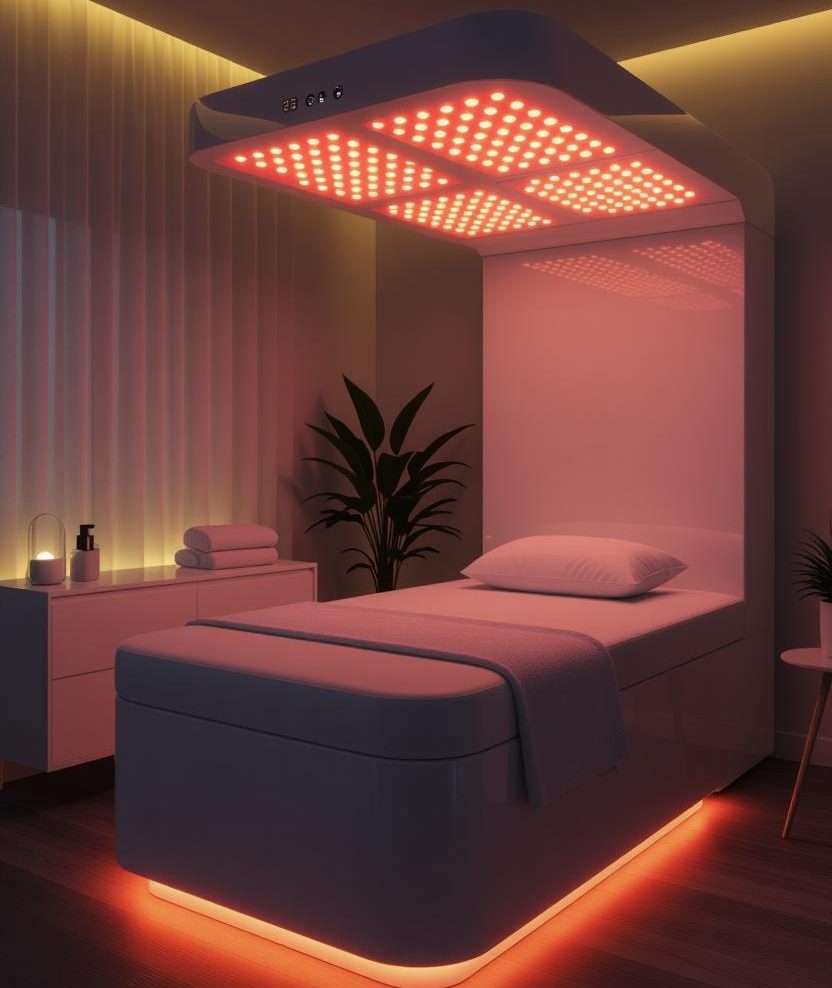
Red light therapy has surged in popularity as more people seek non-invasive ways to improve recovery, reduce pain, and enhance overall wellness. Devices once limited to high-end clinics are now entering gyms, spas, and even home settings. The debate over whether government policies should make such technology more affordable is gaining momentum. Early adopters often rely on premium models, such as the Solbasium red light therapy bed, which offers advanced recovery solutions but comes at a cost many cannot afford.
The Science Behind Red Light Therapy
Red light therapy uses low-level wavelengths of red or near-infrared light to penetrate the skin and stimulate cellular repair. Studies suggest it can help with inflammation, skin conditions, and muscle recovery. Athletes and performers are increasingly turning to these devices to reduce downtime and boost performance. The technology works by encouraging mitochondria, the energy centers of cells, to produce more ATP, which accelerates healing and tissue repair.
Current Regulations and Accessibility
Regulatory oversight for wellness technology is still catching up with its rapid growth. Many devices fall into a gray area between medical equipment and consumer wellness products. Governments face the challenge of ensuring safety without stifling innovation. While devices like the Solbasium red light therapy bed meet high safety and performance standards, the high price point limits who can benefit. Public health policy could play a role in reducing these barriers, potentially through subsidies, tax incentives, or public wellness programs.
Debates on Public Funding
Advocates argue that wellness technologies should be as accessible as other preventative health tools. Regular access to red light therapy could reduce long-term healthcare costs by helping prevent injuries, speeding recovery, and improving overall well-being. Opponents raise concerns about cost, potential misuse, and insufficient research on long-term effects. Yet, the question remains: should governments intervene to make cutting-edge recovery tools available to everyone, not just those who can afford luxury wellness devices?
Lessons from Other Public Health Initiatives
Public funding for preventative care has proven effective in multiple areas. Vaccination programs, subsidized exercise initiatives, and nutritional assistance programs all demonstrate how strategic investment improves societal health outcomes. Applying similar frameworks to advanced wellness technologies could democratize access. Programs might include community wellness centers equipped with devices like the Solbasium red light therapy bed, or partnerships with gyms to offer lower-cost sessions.
Industry Perspectives and Innovation
Manufacturers are responding to growing demand with more compact and affordable devices. Companies are exploring rental models, subscription services, and scalable home units. Industry leaders emphasize that affordability does not have to compromise quality. The challenge lies in balancing innovation with accessibility while ensuring consumer safety and adherence to standards. Collaboration between public health agencies and manufacturers could accelerate this process.
Looking Ahead
Red light therapy represents a broader trend in healthcare: wellness technology moving from niche markets into mainstream public use. Making it more accessible could change how communities approach recovery and preventative care. Policy measures, combined with industry innovation, have the potential to bring these benefits to a wider population. As the debate continues, integrating devices like the Solbasium red light therapy bed into public wellness programs may serve as a model for equitable access to advanced health solutions.
READ ALSO: Navigating the Legal and Ethical Debates of Korea’s Spa Industry
Conclusion
Access to wellness technology is becoming a public policy question as much as a consumer choice. Red light therapy, with its proven benefits and growing popularity, highlights the need for thoughtful regulation and public investment. Ensuring that advanced recovery solutions are not just a luxury but a public resource could redefine how society approaches health, performance, and preventive care.
 Scripture provides a firm foundation for believers. Political division often stirs anxiety, but resources like those found at Christian resources for faith building emphasize the importance of rooting oneself in biblical truth. For example, Psalm 46:1 reminds believers that “God is our refuge and strength, an ever-present help in trouble.” Daily Bible reading plans and devotionals help Christians internalize such promises, fostering spiritual stability. By engaging with scripture consistently, believers can counter fear with faith, ensuring their decisions align with God’s principles rather than fleeting political trends.







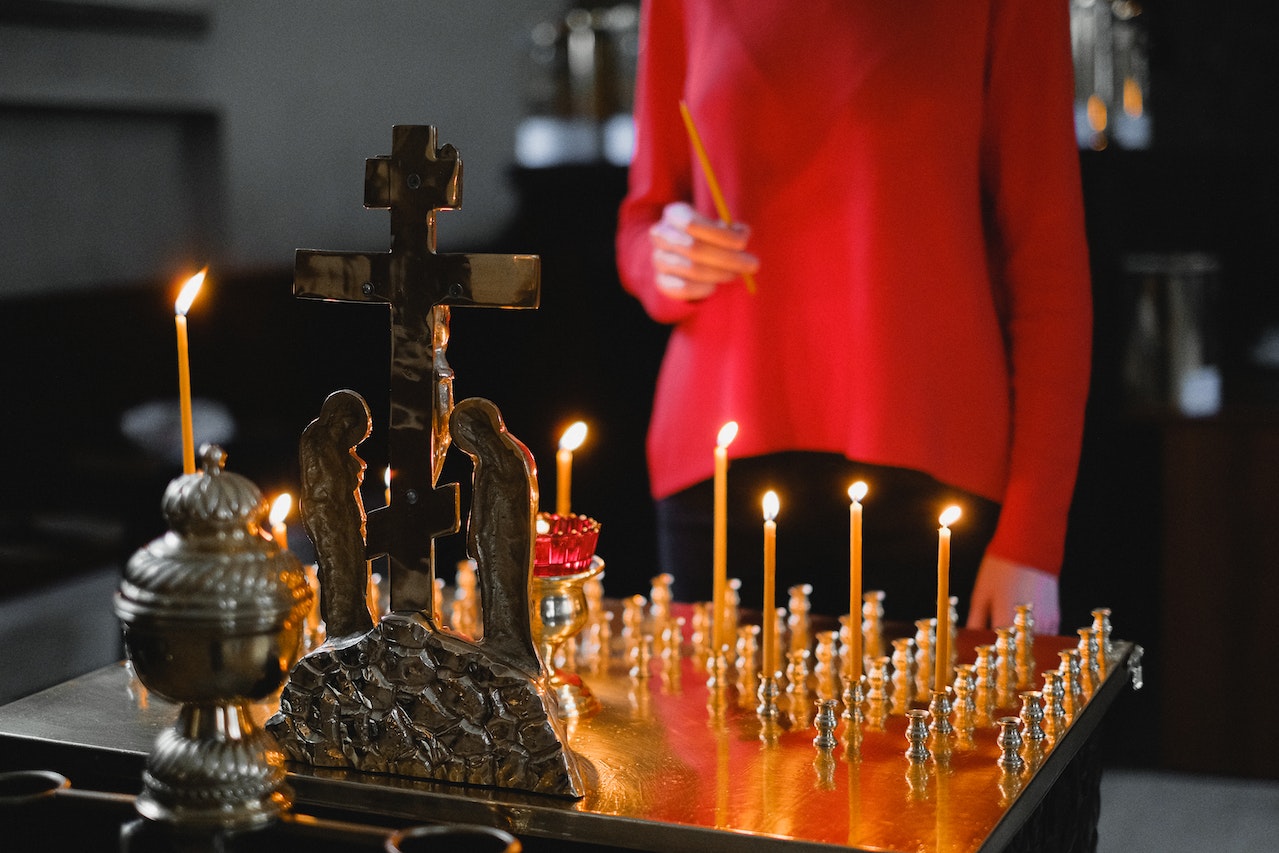




 They offer an opportunity to talk about living religion and its beliefs.
 This is because religion not only lets you become part of a community but conveys positive values as well that can stimulate you to strive for a more productive life in harmony with others. On the other hand, if you have a plan of going to some religious churches or buildings, billigst leiebil can help you with your car rentals.




 Tiktok has been prohibited from neighboring Bangladesh and struck with a massive fine in the USA for illegally collecting data from children.



 NASA’s Hubble Space Telescope on Tuesday suspended operations of its Wide Field Camera years, because of an unspecified hardware issue.
